We made it, friends — the final part of our tour through Magic’s saga, bringing the story all the way from ancient history to the era your current cards are set in. This chapter covers the biggest rule change in the lore, the war to end all wars, and the surprisingly hopeful place the Multiverse stands today.
The Mending: When the Gods Became Mortal
For most of the story so far, planeswalkers like Urza were essentially gods — immortal, reality-bending, and honestly kind of insufferable about it. That era ended with a cataclysm called the Mending. The short version: time itself had been wounded by millennia of magical abuse, rifts were tearing Dominaria apart, and healing them required planeswalkers to sacrifice their godlike sparks. When the dust settled, the very nature of the spark changed. Planeswalkers after the Mending are still special — they can walk between worlds — but they’re mortal. They bleed, they age, they can die.
As a storytelling move, this is the best decision Wizards ever made. Gods are boring; people are interesting. The modern era’s heroes — Jace, Chandra, Liliana, Teferi and company — are powerful, flawed, extremely killable people, and the stories got so much better for it.
The March of the Machines
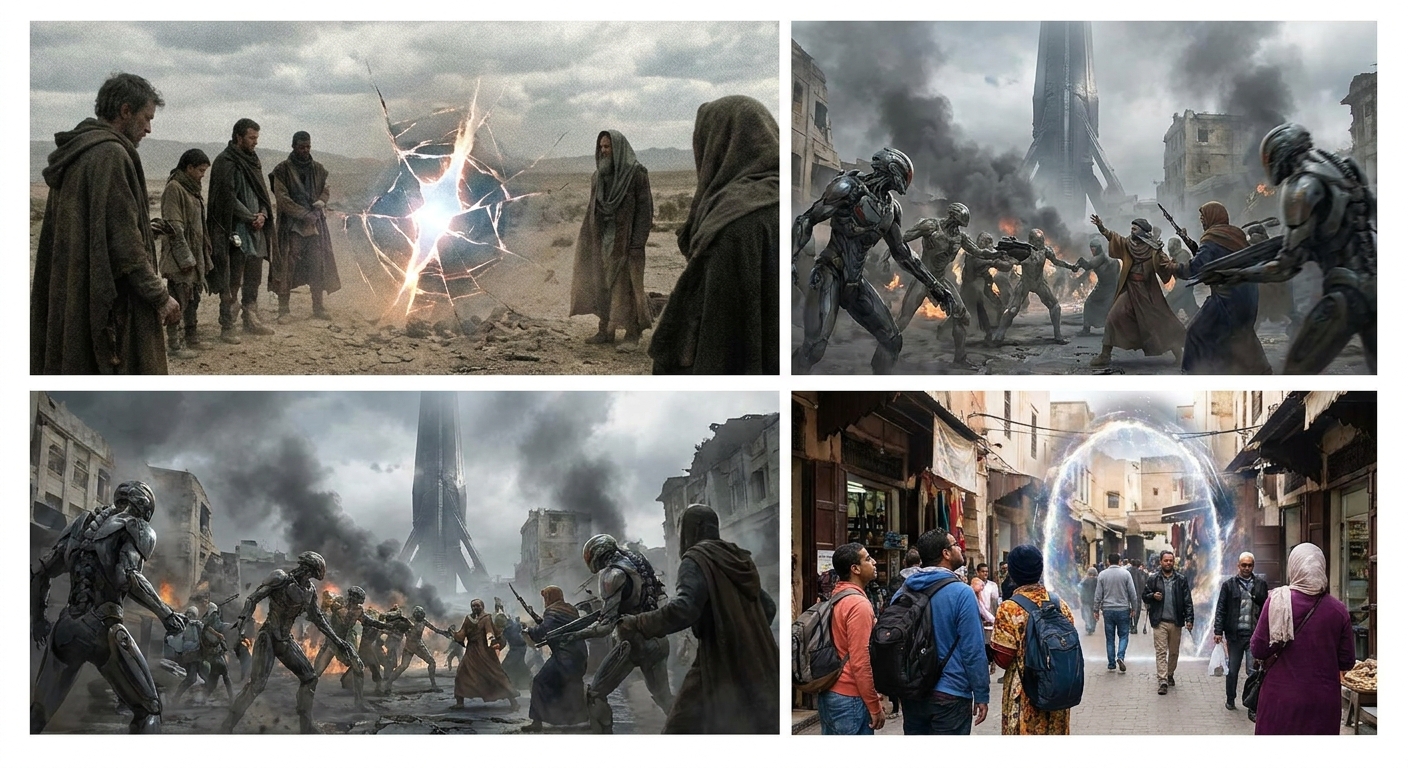
Which brings us back to New Phyrexia, who spent the modern era doing what Phyrexia does: patiently preparing. It all detonated in the March of the Machine — New Phyrexia’s simultaneous invasion of the entire Multiverse, using a corrupted World Tree to reach every plane at once. It was the culmination of literally the whole story we’ve told across six parts: the oil from Yawgmoth’s hell, carried by Karn’s mistake, evolved into five-color perfection, unleashed everywhere.
And the Multiverse won — at staggering cost, with beloved characters compleated, killed, or changed forever — and this time the victory stuck. Phyrexia was defeated not by one immortal’s doomsday weapon, but by planes and peoples standing together. Urza tried to beat Phyrexia with a bomb. The Multiverse beat it with an alliance. There’s your theme, thirty years in the making.
The Age of Omenpaths
The aftermath rewired reality. The invasion’s scars left behind Omenpaths — stable portals between planes that ordinary people can walk through. Read that again: for the entire saga, travel between worlds was the exclusive privilege of planeswalkers. Now a merchant, a farmer, or a kid with a backpack can cross between planes through a shimmering doorway. Meanwhile, many planeswalkers lost their sparks in the war, becoming residents of the worlds they once merely visited.
That’s the era your current Standard sets live in — a connected, wide-open Multiverse where the stories are about communities and connections instead of lone demigods. Honestly? As a dad, I find the arc kind of moving. The saga started with two brothers who couldn’t share a stone and nearly destroyed everything. It lands, thousands of years later, on a Multiverse that survived by learning to share worlds. Thanks for riding along, friends. Now go read your card flavor text — I promise it hits different now.